
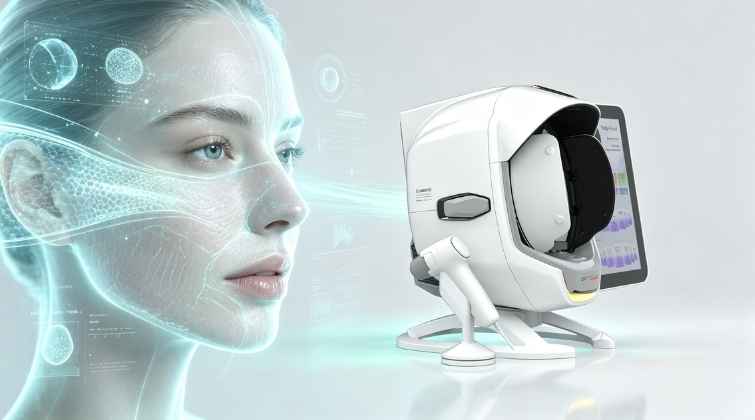
Skincare treatment results are not always easy to evaluate by eye. Changes in hydration, oil balance, pores, skin tone, pigmentation, and texture may require structured analysis.
For beauty salons and professional skincare clinics, AI skin analysis can provide data for before and after comparisons. It can also help professionals track skin changes and explain skincare treatment results more clearly.
Why Do Skincare Treatment Results Need More Objective Evaluation?
1. Some Treatment Changes Are Difficult to See with the Naked Eye
Some treatment changes are easy to notice. Skin may look smoother or more radiant after a session.
However, other changes are less visible. Hydration, oil levels, skin tone, pores, and fine lines can be difficult to assess by sight alone.
Skin condition can also change because of environmental factors. Lifestyle and daily skincare habits can also affect results.
Lighting is another factor. The same skin can look different under natural and indoor light.
Therefore, visual observation alone may not provide enough information. A consistent analysis method can provide useful data for evaluating skincare treatment results.
2. Traditional Before and After Photos Have Limitations
Before and after photos are common in the beauty industry. They can show visible changes and are easy for clients to understand.
However, standard photos can vary in several ways. Lighting, camera angle, shooting distance, and facial expression can all affect the result.
These differences can make skin tone, pores, and texture look better or worse than they actually are.
Photos also have another limitation. They show how the skin looks, but they do not explain every change.
A client may notice smoother looking skin. However, they may still want to know whether hydration changed or which areas showed the most improvement.
Therefore, photos alone may not provide enough information for a complete evaluation of skincare treatment results.
3. Clients Want to Understand the Treatment Results
After a treatment, clients usually want more than confirmation that the service is complete. They want to understand what changed in their skin.
This creates a need for clearer treatment result communication.
Professionals can use pre-treatment data to establish a baseline. They can then perform another analysis after treatment.
This process gives professionals and clients a clearer way to review skin changes. It also supports more informed conversations about future skincare needs.
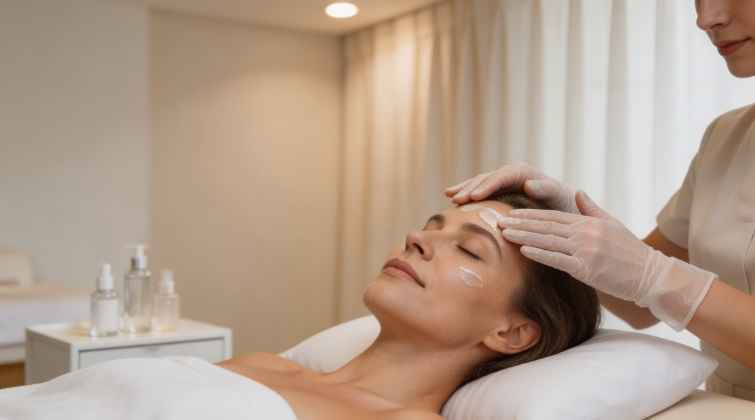
What Skin Data Can AI Analysis Provide for Evaluating Skincare Treatment Results?
AI skin analysis is not only about generating an overall score. It can provide multiple data points that help professionals understand different aspects of skin condition.
The most useful indicators depend on the treatment goal. Therefore, professionals should focus on relevant data instead of presenting every available metric.
1. Hydration and Oil Balance
Hydration and oil levels are important parts of skin analysis.
For hydration focused treatments, professionals can compare hydration related data before and after treatment.
For oil control treatments, they can review changes in oil related indicators.
However, a higher or lower number does not automatically mean better skin. Professionals should interpret each result based on the treatment goal.
They should also consider other skin indicators.
For example, oil related data can be reviewed alongside pore and texture information. This provides a more complete view of the skin.
2. Pores and Skin Texture
Pores and skin texture are common concerns for many clients. They can also provide useful information when evaluating skincare treatment results.
Standardized skin images can help professionals compare pore appearance and texture at different time points.
The images can also be reviewed alongside analysis data. This makes it easier to identify where visible changes have occurred.
However, one comparison has limits. Regular analysis can provide a clearer view of skin texture changes over time.
3. Skin Tone and Pigmentation
Skin tone is another important part of many skincare programs.
AI skin analysis can help professionals review skin tone appearance and pigmentation related patterns.
This information can support treatments focused on a more even looking complexion.
Professionals can combine these results with skin images. This makes changes easier to explain during a consultation.
It also gives clients a clearer view of their skin before and after treatment.
4. Fine Lines and Wrinkles
Fine lines and wrinkles often require longer term observation.
A single treatment session may not show a meaningful change in these areas. Therefore, one post-treatment scan should not be treated as proof of long term improvement.
Instead, regular analysis can track changes across several visits.
Professionals can then review the overall trend. They can also adjust the care plan when needed.
This approach provides a more realistic way to evaluate skincare treatment results over time.
5. A Broader View of Skin Condition
Skin condition involves multiple factors. Therefore, treatment evaluation should not rely on one metric or one overall score.
Hydration, oil balance, pores, skin tone, pigmentation, and texture provide different types of information.
When professionals review these indicators together, they can develop a more complete understanding of the client’s skin condition.
This approach also helps connect the analysis with the client’s treatment goals.
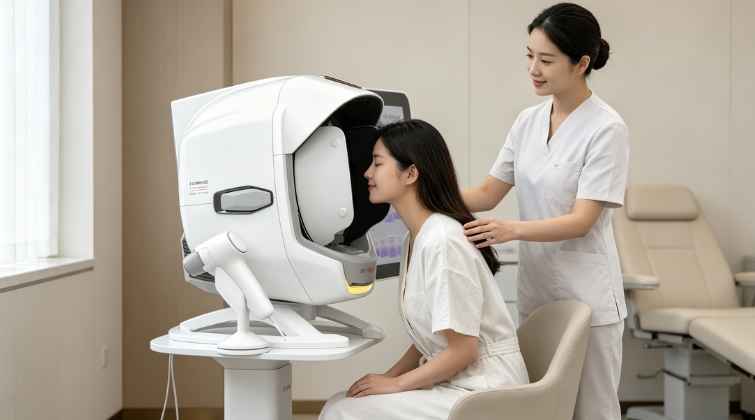
How Does the Bitmoji-tek K55 AI Skin Analyzer Support Skincare Treatment Results?
Reliable treatment comparisons require more than a second skin scan. They also require a consistent analysis process.
The Bitmoji-tek K55 AI Skin Analyzer can support skin analysis before and after treatment.
It helps professionals record skin data and compare results across different time points. This can make skincare treatment results easier to review and explain.
1. Establish a Skin Baseline Before Treatment
Before treatment begins, professionals can use the K55 to capture the client’s initial skin data.
This baseline provides a reference for later comparisons. It also helps professionals understand the client’s current skin condition.
The analysis can highlight areas that need attention. It can also support the initial skincare consultation.
Professionals can use these findings when discussing treatment priorities with clients.
This creates a clear starting point for evaluating future skincare treatment results.
2. Perform Another Analysis After Treatment
After treatment, professionals can perform another skin analysis with the same device.
For a meaningful comparison, the process should remain as consistent as possible.
Professionals should use the same device and analysis method. They should also keep the capture distance and workflow consistent.
The testing environment should also be controlled when possible.
Consistent conditions can reduce the influence of external factors. This makes the comparison more reliable.
3. Compare Skin Status at Different Time Points
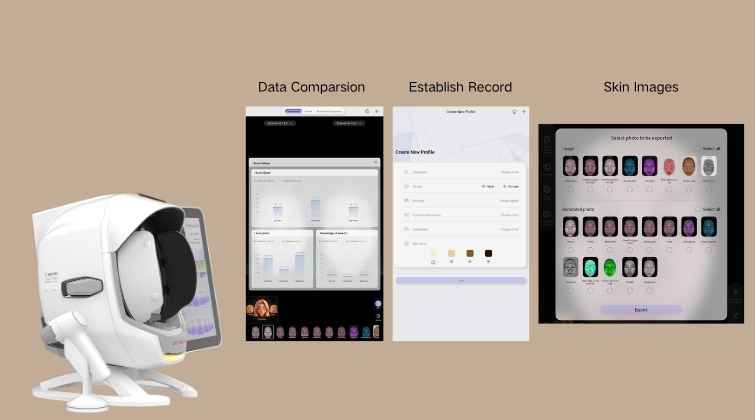
Once both sets of results are available, professionals can compare the data and images.
The comparison can show more than a change in the overall score.
It can highlight changes in hydration, oil balance, pores, skin tone, and texture.
Professionals can then relate these changes to the original treatment goals.
They can also use skin images to help clients understand visible differences.
This combination of images and data provides a clearer way to present skincare treatment results.
It also gives professionals more information for follow-up consultations.
4. Support Ongoing Data Records and Client Management
The K55 can also support a longer skin management process.
Each analysis can become part of the client’s skin record. Professionals can review results from different visits during future consultations.
This creates a continuous workflow:
Analysis → Treatment → Reanalysis → Comparison → Ongoing Care
Instead of relying on one treatment result, professionals can build a record of skin changes over time.
This approach provides more context when reviewing skincare treatment results during future visits.
From One Treatment Review to Long Term Skin Management
A before and after analysis can help clients understand short term changes. However, professional skin management requires a longer view.
Regular analysis can help beauty businesses track skin changes over time. It can also support more personalized care decisions.
For this reason, evaluating skincare treatment results should not stop after one comparison.
1. Build an Individual Skin Baseline
A client’s first skin analysis can establish a personal baseline.
The baseline records the client’s initial skin condition. It also provides a reference for future comparisons.
As more analysis records are collected, professionals can build a clearer picture of the client’s skin history.
This information can make future consultations more focused and relevant.
2. Track Changes Through Regular Analysis
Different treatments may show changes at different times.
Therefore, professionals should choose follow-up intervals that fit the treatment plan.
Regular analysis can reveal which indicators change over time. It can also show which areas remain stable.
Professionals can then identify concerns that need more attention.
This makes the data more useful than a single before and after comparison.
Over time, professionals can identify patterns that may not be clear from one visit.
3. Use Data to Review and Adjust the Care Plan
Ongoing analysis can support treatment planning.
If a skin indicator shows little change across several visits, professionals can review the current approach.
They can consider whether the treatment goals, routine, or follow-up schedule need adjustment.
If certain indicators show consistent improvement, professionals can continue monitoring them.
They can also use the findings to guide future care.
Data does not replace professional judgment. Instead, it gives professionals more information to support their decisions and evaluate skincare treatment results.
4. Help Clients Move from One Treatment to Ongoing Skin Care
When clients can track their skin over time, they can better understand the value of ongoing care.
They can see how their skin changes across different visits. They can also discuss these changes with their skincare professional.
For beauty businesses, this creates a more structured client service process:
Analysis → Treatment → Reanalysis → Comparison → Adjustment → Ongoing Care
The goal is not to make every visit about a score.
The goal is to help clients understand their skin and follow their progress.
This also makes skincare treatment results easier to discuss during long term consultations.
Conclusion
Effective treatment evaluation should go beyond a single skin score. It should help professionals and clients understand what changed and how the skin is progressing.
The Bitmoji-tek K55 AI Skin Analyzer can support this process with skin analysis before and after treatment.
With regular analysis, beauty professionals can track long term changes and provide more informed consultations.
As a result, skincare treatment results become easier to review, explain, and track over time.
For more information about the Bitmoji-tek K55 AI Skin Analyzer, visit https://www.bit-moji.com/.