
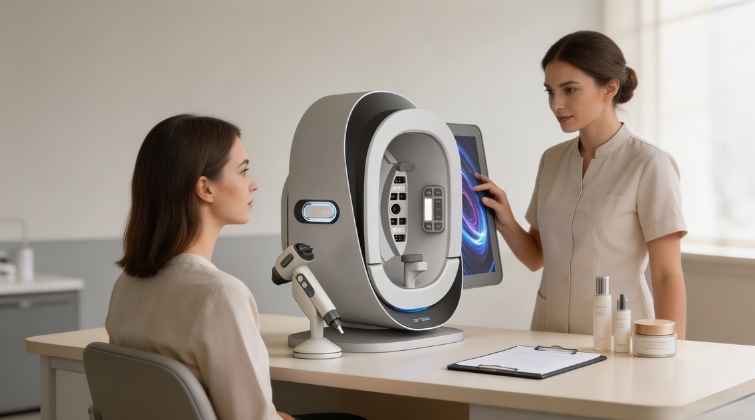
A professional skin consultation is more than identifying a client’s skin type. It should not rely only on visible concerns or lead directly to a treatment recommendation.
A complete consultation starts with the client’s needs. It then assesses the skin, reviews the findings, and creates a suitable care plan. Finally, it tracks changes over time.
The Bitmoji-tek K36 AI Skin Analyzer supports this process with professional imaging, skin data analysis, and visual reports. It helps beauty professionals gain a clearer view of skin conditions and provide more informed consultations.
1. Start by Understanding the Client’s Skin Concerns
Every skin consultation should begin with the client. Different clients have different concerns. Some may focus on acne, enlarged pores, or excess oil. Others may be more concerned about pigmentation, uneven skin tone, or fine lines.
Therefore, beauty professionals should first understand the client’s current concerns. They should also ask about daily skincare habits, previous treatments, and personal care goals.
This information provides useful context for the skin analysis. More importantly, it helps connect the client’s expectations with the professional assessment.
However, client descriptions alone are not enough. A client may know how their skin feels, but they may not fully understand its condition. Professional assessment is therefore essential before recommending a treatment plan.
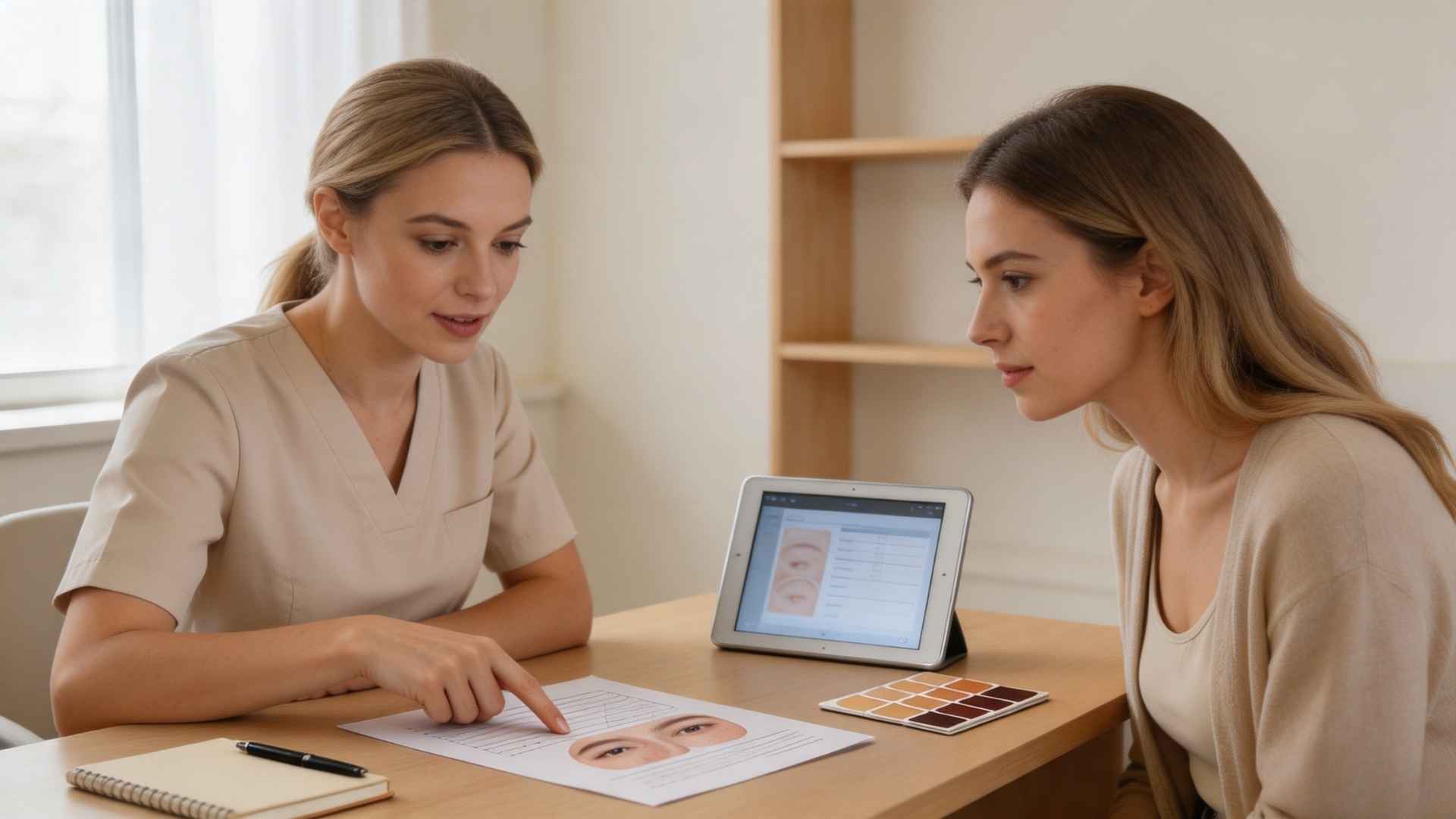
2. Perform a Comprehensive Skin Assessment
Once the client’s needs are clear, the next step is a professional skin assessment.
A visual check can provide useful information. However, it often depends on the experience and judgment of the beauty professional. Some skin conditions are also difficult to assess through visual observation alone.
A professional skin analysis can provide a broader assessment. It can examine areas such as moisture and oil levels, pores and skin texture, skin tone and pigmentation, as well as fine lines and signs of skin aging.
The Bitmoji-tek K36 AI Skin Analyzer uses professional imaging and data analysis to provide a more detailed view of the skin. It converts skin information into visual results and data that are easier to review.
Beauty professionals can then use these results to assess the client’s skin more systematically. This approach also helps reduce reliance on visual judgment alone.

3. Create a Personalized Skin Care Plan
After completing the skin analysis, the next step is to turn the findings into an actionable care plan.
First, identify the client’s main skin concerns. Then, consider their current skin condition and personal goals. This helps determine which concerns should receive priority.
Based on the results, beauty professionals can recommend suitable treatments and set appropriate care intervals. They can also define the focus of each stage of the care process.
Daily skincare advice can also be included. This helps clients maintain their skin care routine between professional treatments.
Most importantly, a data-supported plan makes recommendations more relevant to the individual client. It also reduces the need to rely on fixed treatment packages for every client.
4. Make Skin Analysis Results Easy to Understand
A professional skin analysis is only valuable when clients can understand the results.
Skin data and professional terms can sometimes be difficult for consumers to interpret. Therefore, beauty professionals need to explain the findings in a clear and accessible way.
Visual skin analysis reports can make this process easier. They allow professionals to show specific areas of concern and explain what the results mean.
The consultation can then connect these findings with the recommended care plan. Clients can better understand their current skin condition, areas that may need attention, and the reasons behind each recommendation.
Clear communication also improves the consultation experience. It helps reduce communication barriers and builds greater confidence in the professional assessment and recommended care.
5. Track Skin Changes Over Time
A professional consultation should not end after the first analysis.
The initial skin analysis can provide a baseline for future consultations. Beauty professionals can then perform follow-up assessments and compare results over time.
These comparisons can help track changes in areas such as moisture, oil levels, skin tone, pores, and skin texture. If the results do not meet expectations, the care plan can be adjusted accordingly.
Continuous tracking also gives beauty professionals a more complete view of the client’s skin journey. At the same time, clients can see how their skin changes through different stages of care.
This makes follow-up consultations more structured and data-driven.
6. How the K36 AI Skin Analyzer Supports a Better Consultation Experience
The Bitmoji-tek K36 AI Skin Analyzer brings skin imaging, data analysis, and client communication into one consultation process.
Its multi-layer high-definition imaging and eight-spectrum imaging technology collect skin information from multiple dimensions. The system then generates visual skin analysis reports for professional review.
During a consultation, beauty professionals can use these results to explain the client’s current skin condition. They can combine the analysis with the client’s concerns and goals to create a more personalized care plan.
The analyzer also supports before-and-after comparisons. By reviewing results from different stages, professionals can present visible changes more clearly and make follow-up care more targeted.
For beauty businesses, this approach can help create a more consistent consultation workflow. The process can begin with understanding client needs, followed by professional analysis, personalized planning, clear explanation, and ongoing tracking.
Each stage is supported by skin data.

Conclusion
The value of a professional skin consultation goes beyond identifying skin concerns. It helps clients understand their skin and provides a clear direction for personalized care.
The Bitmoji-tek K36 AI Skin Analyzer supports beauty professionals throughout this process. With professional imaging, AI-powered skin analysis, visual reports, and comparison tools, it provides useful data for consultation and follow-up care.
By combining client needs with professional skin analysis, beauty businesses can create a more structured consultation experience. At the same time, clients can better understand their skin condition and the reasons behind their recommended care plan.
For more information about the Bitmoji-tek K36 AI Skin Analyzer, visit https://www.bit-moji.com/.