
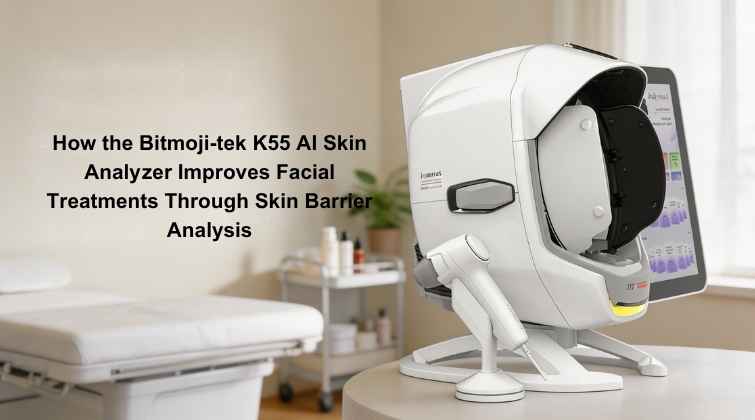
Many facial treatments are selected based only on visible skin concerns. However, what happens beneath the skin’s surface is often more important than what can be seen. A weakened skin barrier can reduce treatment effectiveness and increase the risk of irritation.
This is why skin barrier analysis has become an essential part of professional skin consultations. By evaluating barrier health before treatment, beauty professionals can recommend safer, more personalized facial treatments based on objective skin data.
What Is the Skin Barrier
The Skin Barrier Protects the Skin
The skin barrier is the outermost protective layer of the skin. It consists of skin cells, intercellular lipids, and natural moisturizing factors that work together to protect the skin.
A healthy protective barrier helps retain moisture while shielding the skin from UV radiation, pollution, bacteria, and other environmental stressors. It also improves the skin’s tolerance to skincare products and professional treatments.
When this protective layer functions properly, the skin usually appears smoother, more hydrated, and more resilient.
What Happens When the Skin Barrier Is Damaged
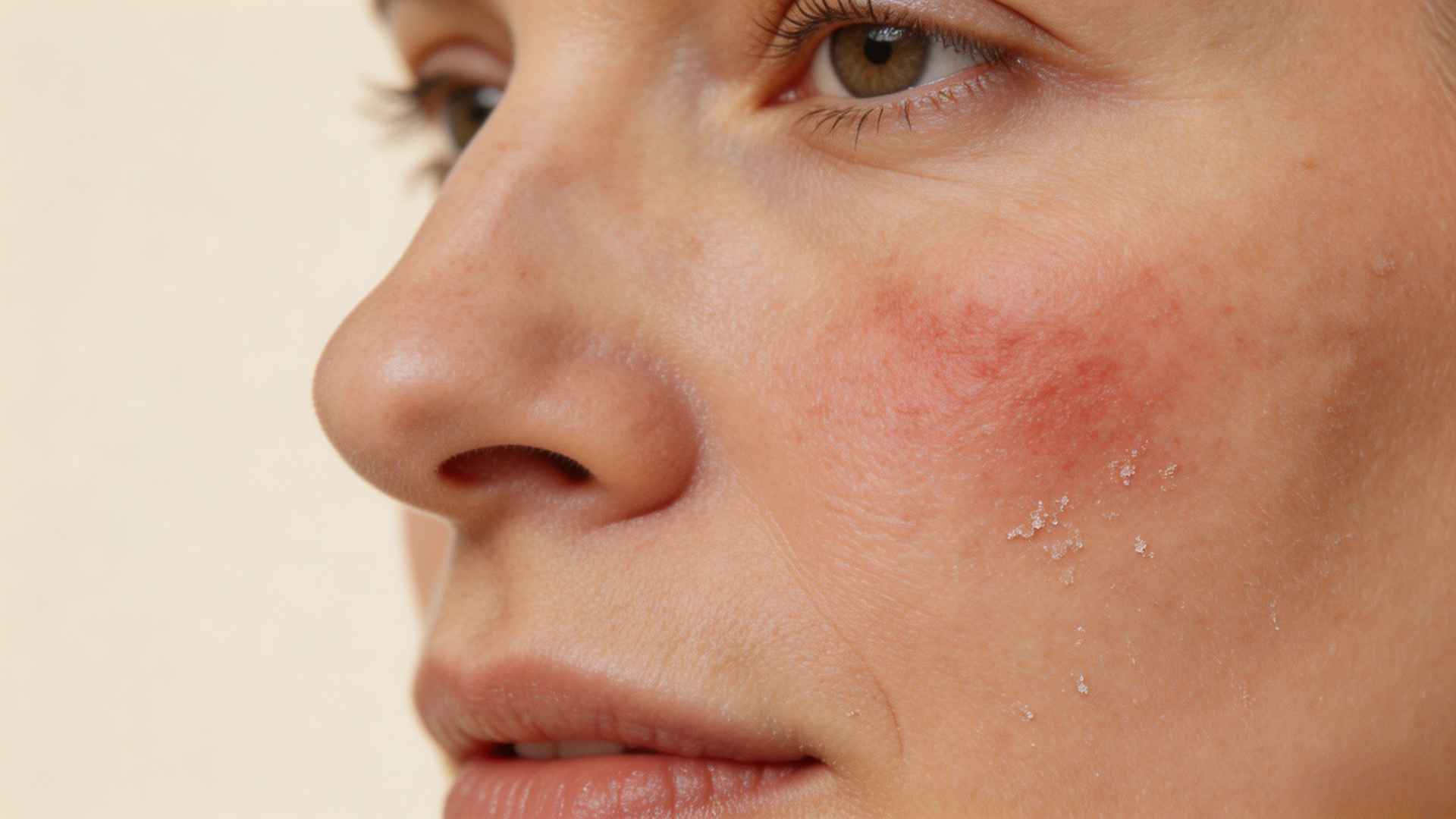
When this protective layer becomes weakened, it loses its ability to retain moisture efficiently. At the same time, external irritants can penetrate the skin more easily.
As a result, clients may experience dryness, tightness, redness, sensitivity, flaking, or discomfort. Some may notice that products they previously tolerated begin to cause irritation. Others may find that their skin takes longer to recover after facial treatments.
If barrier function remains compromised for an extended period, treatment outcomes may become less predictable and the skin may become increasingly sensitive.
Why Many People Do Not Realize Their Barrier Is Compromised
Barrier damage usually develops gradually.
Early signs can be subtle, including occasional tightness, mild redness, flaky makeup, or temporary sensitivity. Many people simply assume their skin is dehydrated and overlook the possibility of barrier damage.
Because these early changes are difficult to identify through visual observation alone, inaccurate assessments can easily lead to inappropriate treatment recommendations.
Why Analyze the Skin Barrier Before Facial Treatments
Choose Treatments That Match the Skin’s Condition
Different skin conditions require different treatment strategies.
If barrier function is already impaired, intensive exfoliation, chemical peels, or other aggressive procedures may further increase irritation.
By evaluating barrier health before treatment, beauty professionals can choose procedures that better match each client’s current skin condition.
Identify the Root Cause of Skin Concerns
Many visible skin concerns share similar symptoms but have different underlying causes.
For example, dry skin may result from dehydration or barrier dysfunction. Redness may be caused by inflammation, environmental stress, or reduced barrier function.
Skin barrier analysis helps professionals identify the underlying cause instead of treating only visible symptoms. This leads to more targeted skincare recommendations and more effective treatment plans.
Create Personalized Treatment Plans
Every client’s skin is unique.
Skin type, age, lifestyle, environment, and daily skincare habits all influence skin condition. Even when two clients have similar concerns, they may require completely different treatment approaches.
By evaluating overall skin health together with other skin indicators, professionals can recommend personalized treatments, suitable skincare products, and appropriate treatment intervals.
Reduce the Risk of Post-Treatment Irritation
Understanding barrier health before treatment also improves safety.
If analysis shows increased sensitivity or reduced barrier function, professionals can adjust treatment intensity and focus on barrier repair before introducing more intensive procedures.
This helps minimize unnecessary irritation while improving the overall treatment experience.
How the Bitmoji-tek K55 AI Skin Analyzer Evaluates the Skin Barrier
Compared with visual observation alone, AI skin analyzers provide a more comprehensive evaluation by combining high-resolution imaging, multi-spectrum analysis, and artificial intelligence.
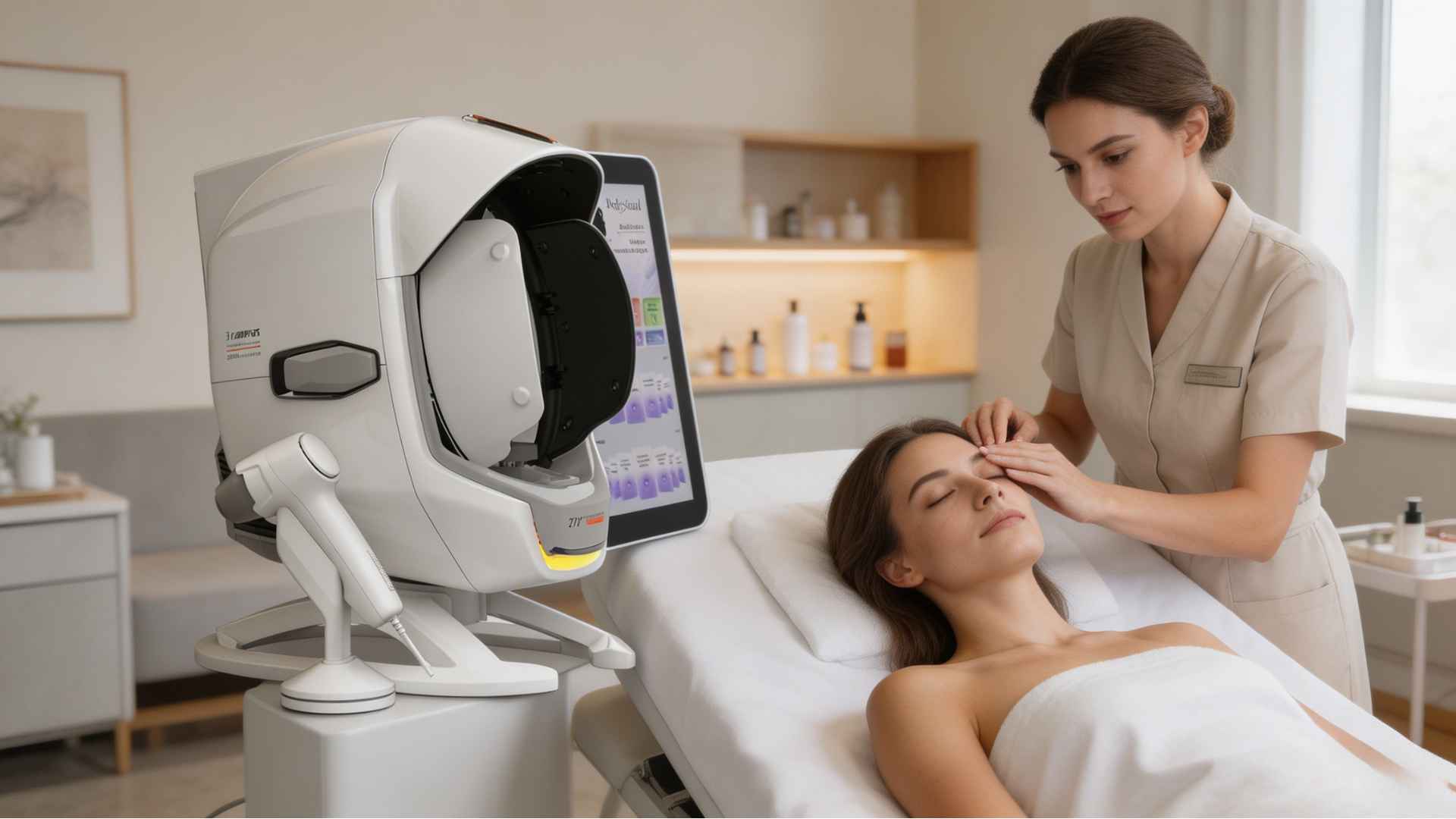
The Bitmoji-tek K55 AI Skin Analyzer is designed to support this process with objective imaging and intelligent analysis.
High-Definition Imaging Captures Fine Skin Details
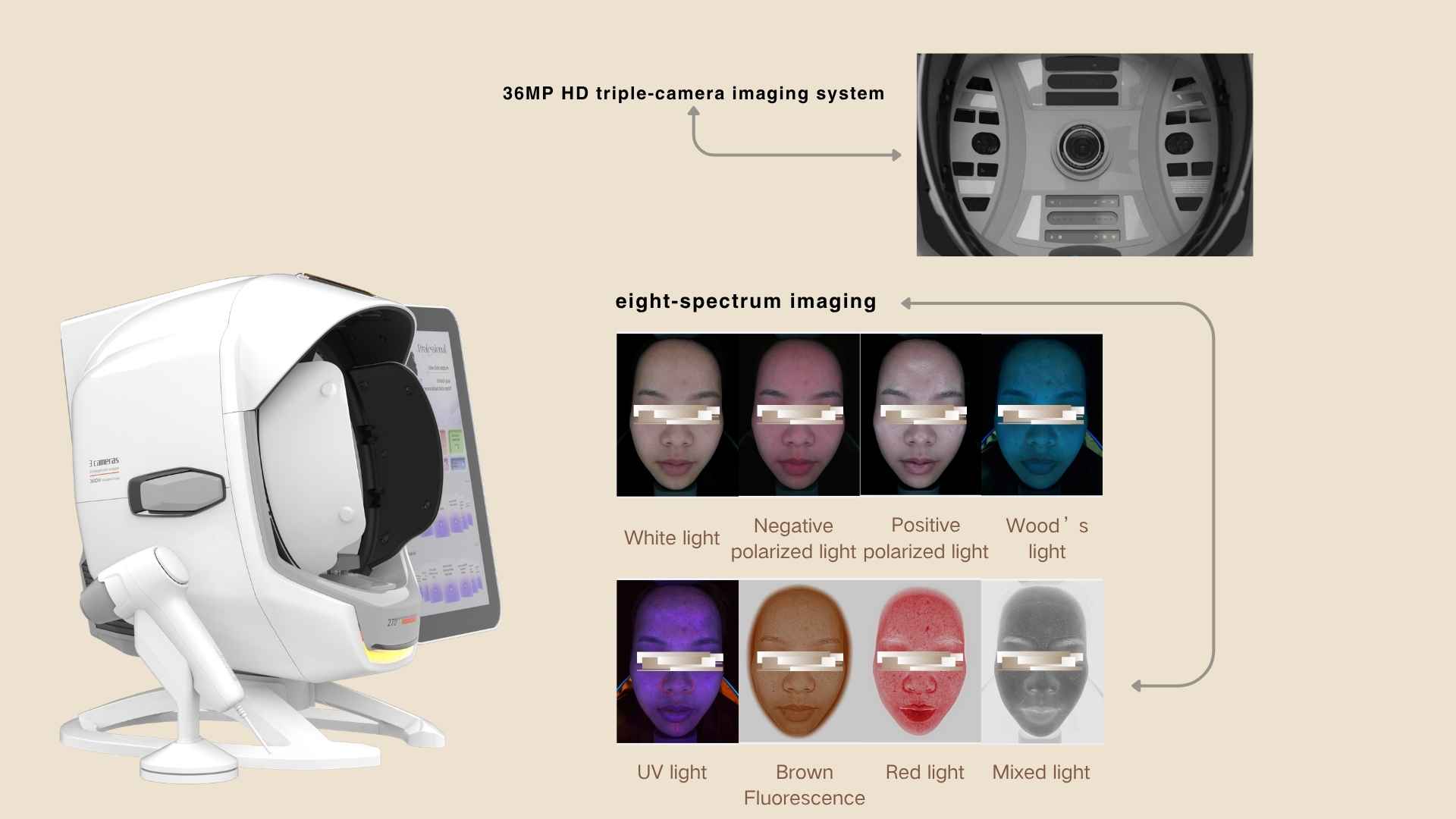
The K55 features a 36 MP high-definition triple-camera imaging system that captures detailed facial images from multiple angles.
High-quality images clearly display skin texture, pores, dry areas, redness, and other visible characteristics. These images provide a reliable foundation for AI analysis and professional consultations.
Eight-Spectrum Imaging Reveals More Than Surface Conditions
Different light sources reveal different layers of skin information.
The K55 uses eight-spectrum imaging technology to evaluate the skin from multiple perspectives.
White light records the overall surface condition. Polarized light helps reveal redness and inflammatory changes while reducing surface reflections. UV light highlights damage caused by ultraviolet exposure that may not be visible under normal lighting. Wood’s light provides additional information about pigmentation and subsurface skin changes. Red-brown light imaging helps visualize localized skin responses associated with inflammation and circulation.
By combining information from multiple imaging modes, professionals gain a more complete understanding of skin barrier health and overall skin condition instead of relying only on visible symptoms.
AI Analysis Generates Objective Skin Reports
After image capture, the AI system evaluates multiple indicators related to barrier health, including hydration, oil balance, sensitivity, pores, and overall skin condition.
The system automatically generates a professional skin analysis report based on objective image data.
Compared with subjective observation, AI analysis delivers more consistent results and helps standardize consultations across different practitioners.
How Skin Barrier Analysis Benefits Beauty Clinics
Performing skin barrier analysis before facial treatments creates value for both clients and beauty professionals.
First, objective data improves consultation quality. Consultants can explain skin conditions using visual evidence instead of relying only on personal experience.
Second, professional reports increase client confidence. When clients clearly understand their skin condition, they are more likely to trust treatment recommendations.
Third, personalized treatment plans become easier to develop. Recommendations are based on measurable skin conditions rather than assumptions.
Finally, historical reports allow clinics to monitor changes over time. Professionals can adjust treatment plans according to measurable improvements and provide continuous skin management instead of one-time consultations.
Conclusion
The condition of the skin barrier plays an important role in the success of every facial treatment. Without evaluating barrier health first, even premium skincare products and professional procedures may not deliver the desired results.
With the Bitmoji-tek K55 AI Skin Analyzer, beauty professionals can assess skin barrier health more accurately, create personalized treatment plans, improve consultation quality, and build long-term skin management programs that deliver safer and more effective skincare results.