
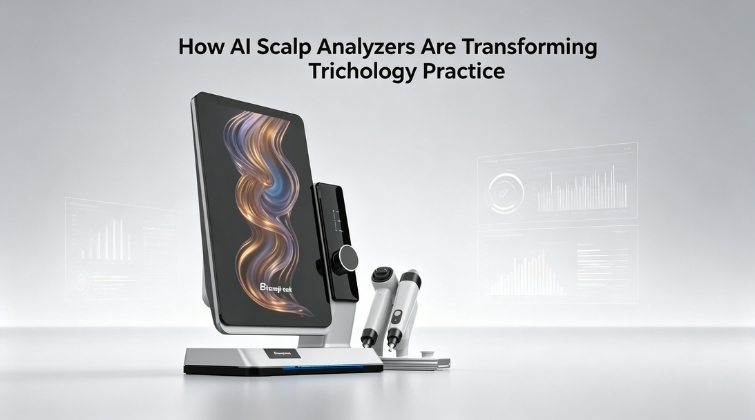
As awareness of scalp health and hair loss continues to grow, trichology is becoming an increasingly important field within the beauty, wellness, and hair restoration industries. Clients today are more informed than ever before and expect professional assessments supported by visible evidence and personalized recommendations.
At the same time, trichologists face growing pressure to provide accurate evaluations, monitor treatment progress, and deliver measurable results. Traditional scalp examinations often rely heavily on visual observation and professional experience, which can make it challenging to identify subtle changes or communicate findings effectively.
Challenges in Modern Trichology
Despite significant advancements in hair and scalp care, many professionals still encounter limitations during the assessment process.
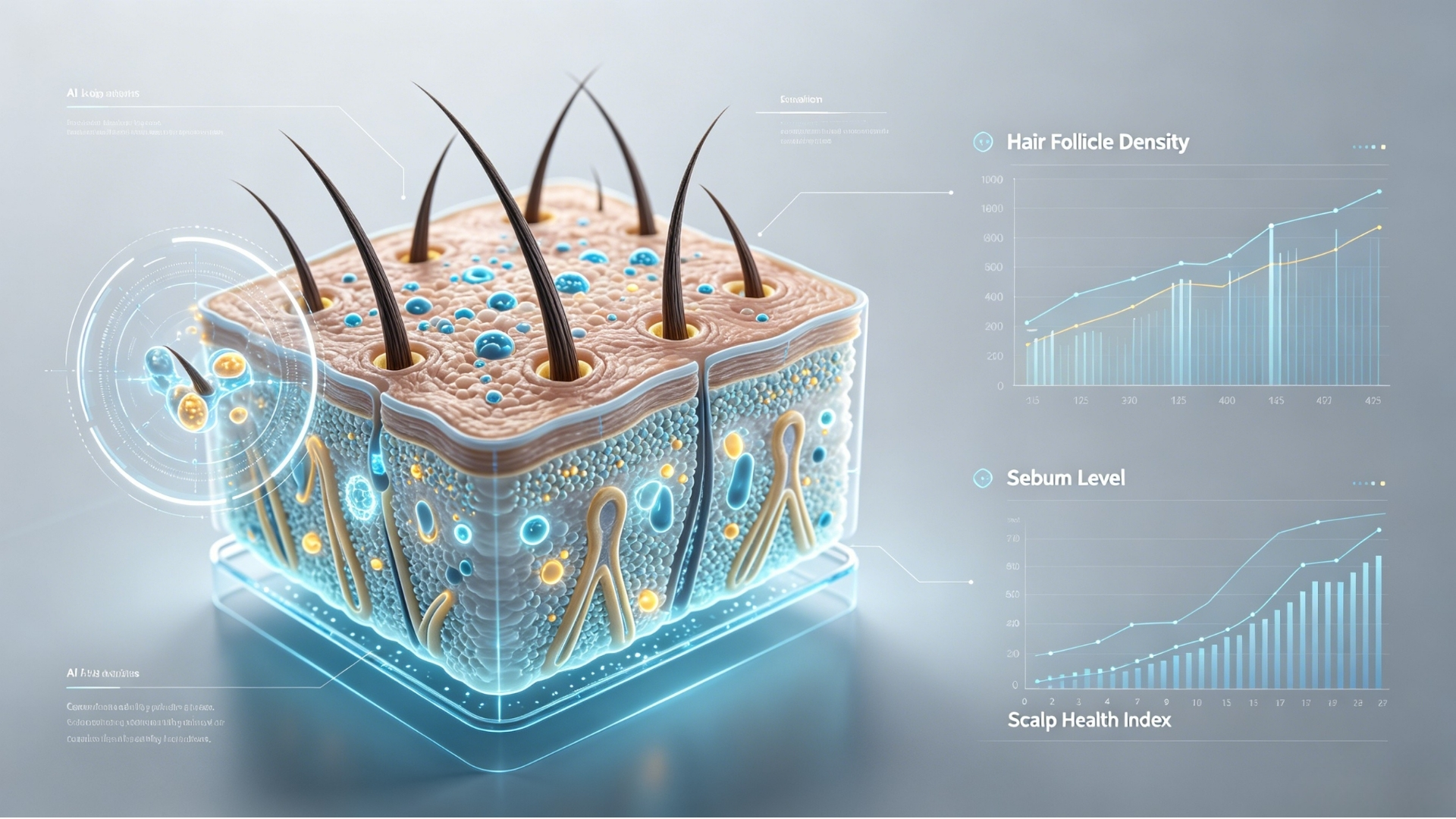
One common challenge is the difficulty of identifying early-stage scalp and hair concerns. Changes in follicle condition, hair density, scalp oil balance, and scalp sensitivity may not always be visible during a routine examination. As a result, potential issues can go unnoticed until they become more apparent.
Another challenge is the subjective nature of traditional evaluations. Different practitioners may interpret the same scalp condition differently based on their experience and expertise. This can create inconsistencies in assessment results and make it difficult to establish standardized monitoring procedures.
In addition, modern clients increasingly expect visual proof of their scalp condition. They want to understand why a recommendation is being made and how their condition changes over time. Without clear images and measurable data, it can be difficult to build confidence and encourage long-term commitment to treatment plans.
Understanding AI Scalp Analysis Technology
AI scalp analysis combines high-definition imaging technology with intelligent software capable of identifying and analyzing scalp characteristics.
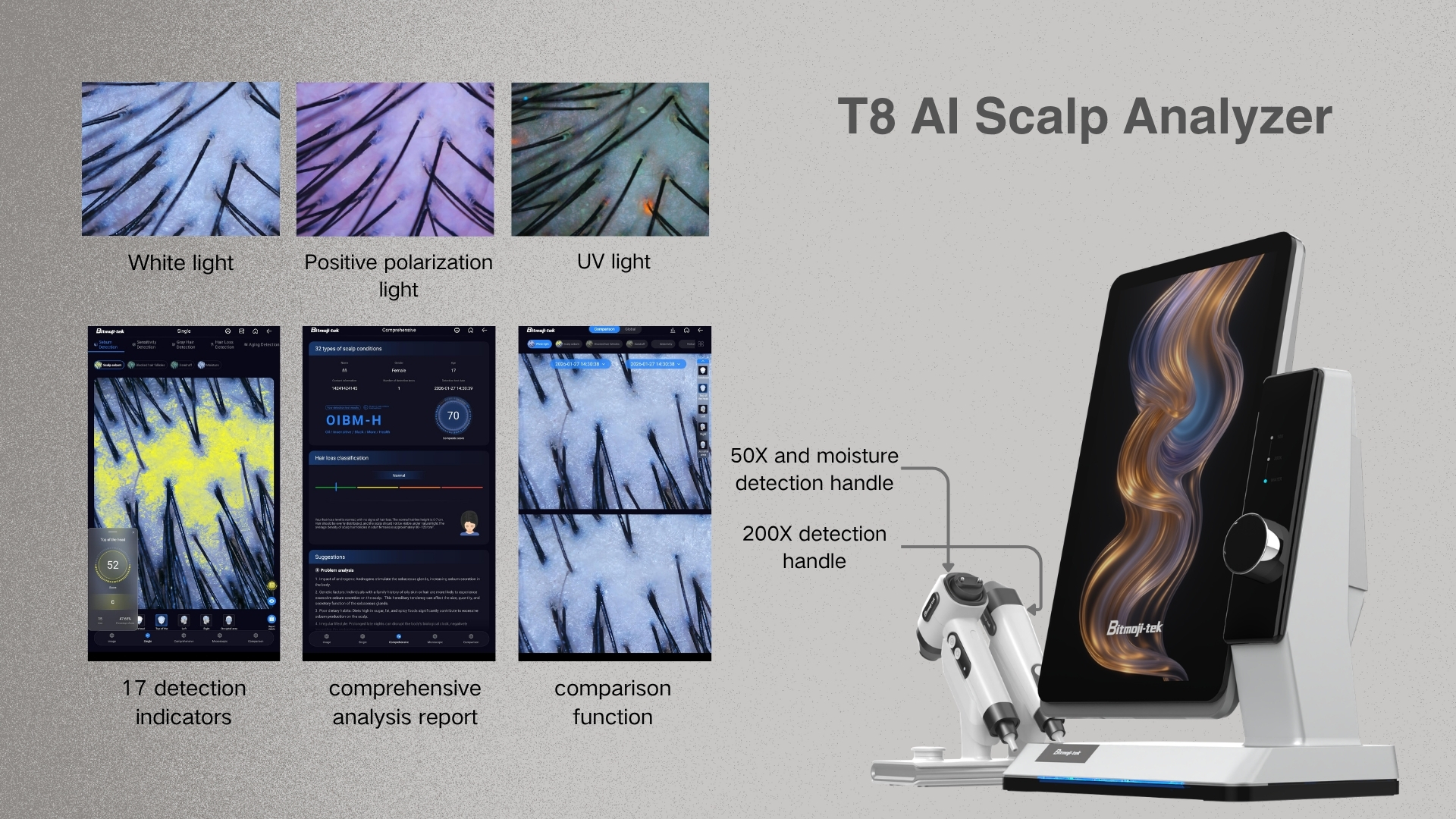
Using magnified scalp images, AI systems can evaluate various indicators, including hair density, follicle condition, scalp oil levels, scalp sensitivity, and overall scalp health. The collected information is then organized into visual reports that support professional assessment and decision-making.
Unlike traditional examinations that depend primarily on observation, AI-assisted analysis provides objective data that helps professionals better understand each client’s scalp condition.
For example, the Bitmoji-tek T8 AI Scalp Analyzer integrates high-definition imaging with intelligent analysis capabilities, enabling practitioners to capture detailed scalp images and obtain comprehensive insights into scalp health. This allows professionals to make more informed assessments while improving communication with clients.
How AI Scalp Analyzers Are Transforming Trichology Practice
Improving Assessment Accuracy
One of the most significant advantages of AI scalp analysis is its ability to enhance the accuracy of scalp and hair assessments.
High-resolution imaging allows professionals to observe details that may be difficult to detect during a standard examination. Variations in follicle condition, scalp environment, and hair shaft characteristics can be evaluated more effectively, supporting a deeper understanding of the client’s condition.
Devices such as the Bitmoji-tek T8 help practitioners visualize scalp conditions with greater clarity, providing valuable information that supports professional judgment and treatment planning.
Supporting Early Hair Loss Detection
Hair loss often develops gradually. Many individuals do not recognize the problem until visible thinning becomes noticeable.
AI scalp analyzers can help identify subtle changes that may indicate the early stages of hair loss. Decreasing hair density, miniaturization of hair strands, and changes in follicular activity can be tracked over time, allowing professionals to recommend timely interventions.
Early detection creates more opportunities for preventive care and can improve the effectiveness of long-term hair management strategies.
Enabling Personalized Care Programs
Every scalp is different. Factors such as oil production, sensitivity, hydration levels, and environmental influences can affect scalp health and treatment outcomes.
AI-generated data provides a clearer understanding of individual scalp conditions, allowing trichologists to create personalized care plans based on objective findings rather than assumptions.
Through detailed analysis reports, systems like the Bitmoji-tek T8 help practitioners recommend targeted products, treatments, and maintenance routines that better align with each client’s needs.
Facilitating Long-Term Monitoring
Effective scalp and hair care often requires ongoing evaluation. However, comparing changes over time can be difficult when relying solely on memory or written notes.
AI scalp analysis platforms can store historical records and images, making it easier to monitor progress throughout a treatment journey. Practitioners can compare previous and current results to evaluate improvements, identify new concerns, and adjust care plans when necessary.
This data-driven approach supports more effective long-term scalp management and strengthens the relationship between professionals and clients.
Enhancing Client Trust and Engagement
Beyond its diagnostic benefits, AI scalp analysis also improves the overall client experience.
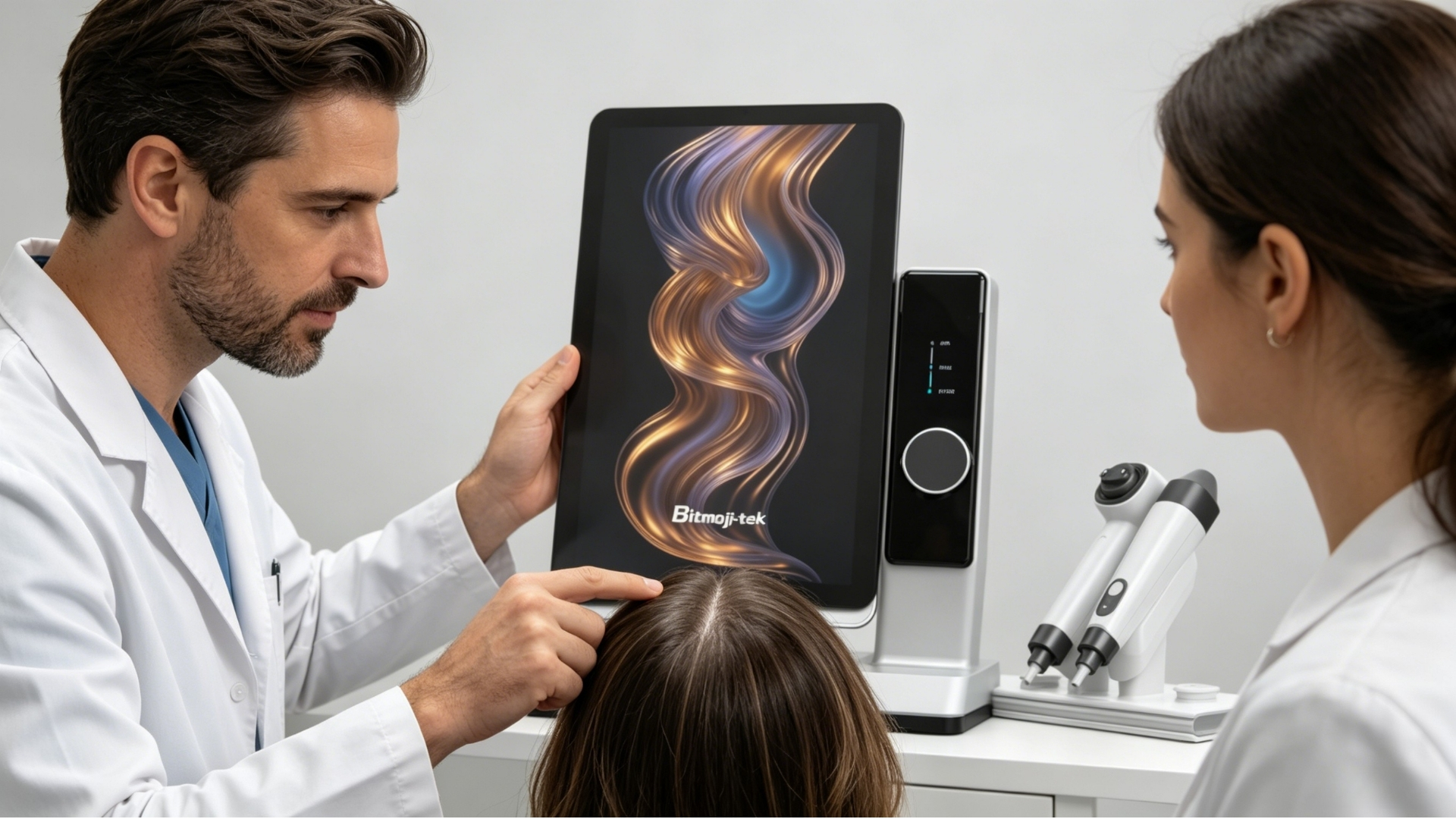
Visual reports help clients better understand their scalp condition by presenting clear images and measurable findings. Instead of relying solely on verbal explanations, professionals can demonstrate specific concerns and explain recommendations using objective evidence.
This transparency often leads to stronger trust and more productive consultations. Clients are more likely to follow professional advice when they can clearly see the reasons behind recommended treatments.
In addition, progress tracking allows clients to observe changes over time. Seeing measurable improvements can increase motivation and encourage greater adherence to treatment programs and scalp care routines.
Applications Across Different Trichology Settings
AI scalp analysis technology is being adopted across a wide range of professional environments.
In trichology clinics, it supports initial assessments, hair loss evaluations, and ongoing treatment monitoring.
In hair restoration centers, it assists with donor area evaluation, treatment planning, and post-procedure follow-up.
In scalp care centers, it helps professionals provide personalized consultations and demonstrate treatment effectiveness.
In premium salons, AI scalp analysis serves as a value-added service that enhances customer experience while supporting long-term client retention.
The Bitmoji-tek T8 AI Scalp Analyzer is designed to support these diverse applications by combining advanced imaging, intelligent analysis, and data management capabilities within a single professional platform.
Conclusion
Trichology is entering a new era shaped by digital technology and data-driven decision-making. As client expectations continue to evolve, professionals need tools that provide greater accuracy, consistency, and transparency.
AI scalp analyzers are helping meet these demands by improving scalp assessments, supporting early hair loss detection, enabling personalized care, and strengthening client engagement. Rather than replacing professional expertise, AI technology enhances the ability of trichologists to deliver informed recommendations and measurable results.
As the industry continues to evolve, solutions such as the Bitmoji-tek T8 AI Scalp Analyzer are playing an increasingly important role in modern trichology practice, helping professionals provide more effective scalp health management and elevate the standard of care.