
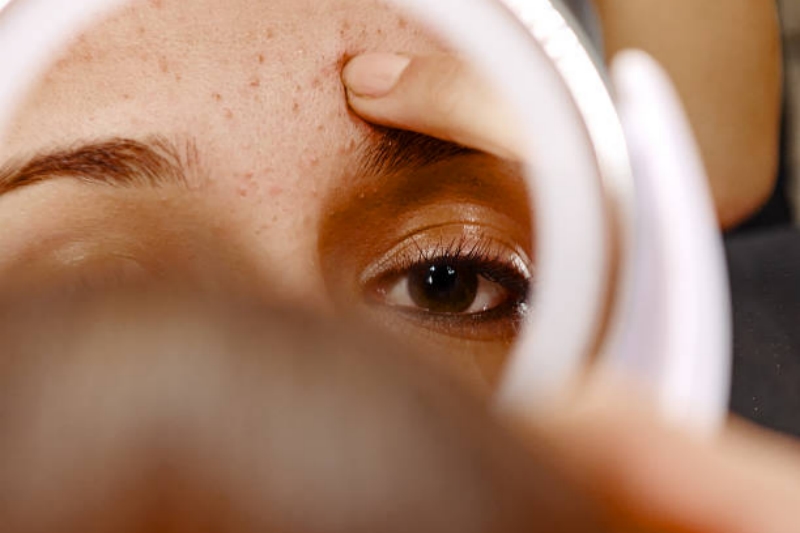
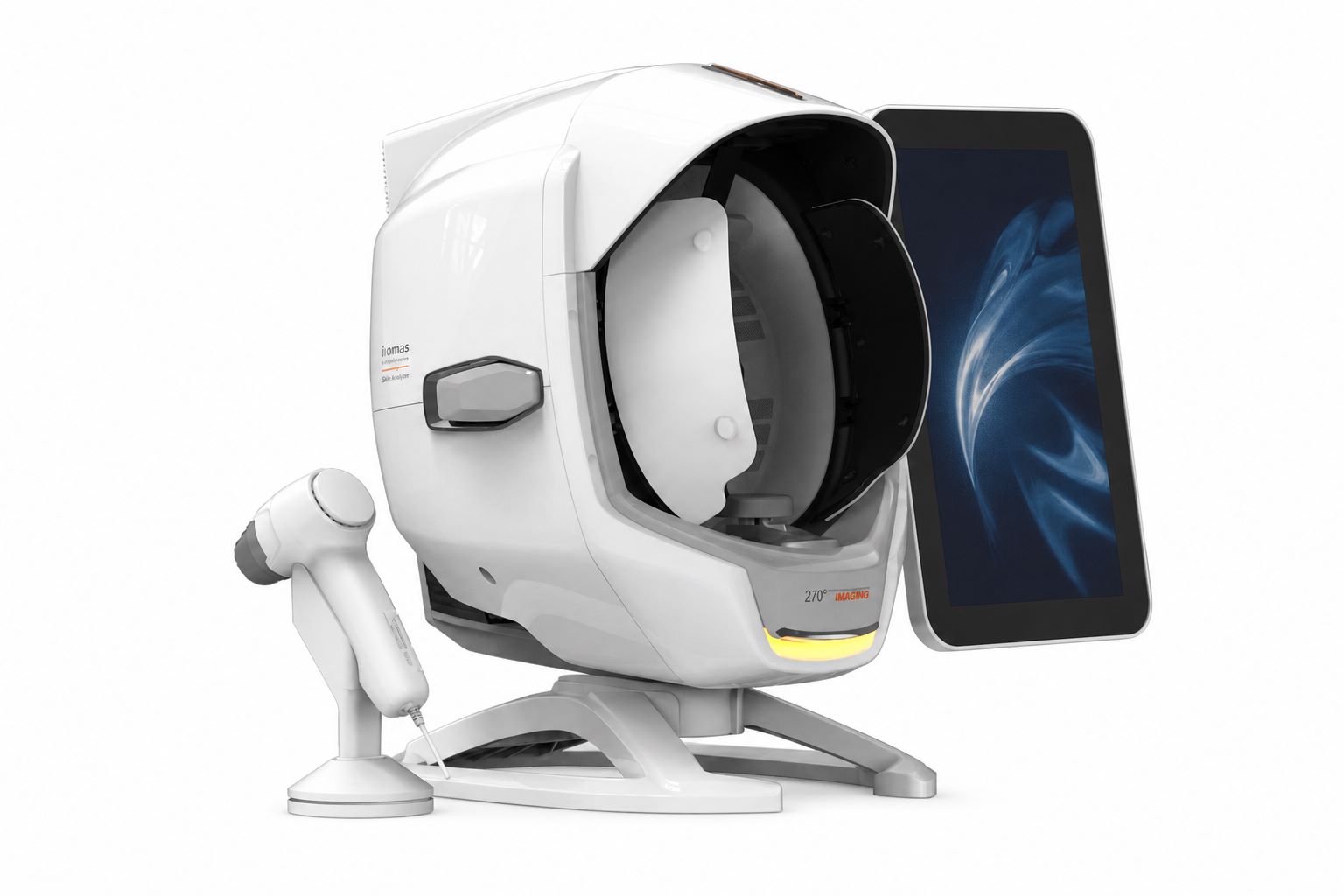
As skincare technology continues to advance, professional diagnostics are becoming more precise and data-driven. Today, tools such as the AI skin imaging device are transforming how clinics and beauty professionals evaluate skin health. Instead of relying only on visual inspection, these systems use multi-spectrum imaging and artificial intelligence to reveal hidden skin conditions that are often impossible to detect with the naked eye.
Early Pigmentation and UV Damage Detection
To begin with, one of the most common issues identified by an AI skin imaging device is pigmentation irregularities. These include freckles, sunspots, melasma, and early-stage hyperpigmentation.
Moreover, advanced systems like K55 use eight-spectrum light technology ranging from ultraviolet to Wood’s light. Therefore, they can visualize hidden pigmentation beneath the skin surface and even predict future UV damage. As a result, users gain a clearer understanding of how sun exposure may affect long-term skin health. In addition, this early detection allows skincare professionals to design preventive treatments before pigmentation becomes more severe.
Deep Inflammation and Skin Barrier Issues
Another key capability is the detection of deep inflammation and compromised skin barriers. While these issues are not always visible externally, they often contribute to sensitivity, acne, and long-term skin damage.
Furthermore, the AI skin imaging device analyzes sub-surface conditions to identify inflammation patterns. Consequently, professionals can recommend targeted treatments that address root causes rather than just surface symptoms. As a result, skincare becomes more personalized and scientifically accurate, improving overall treatment effectiveness.
AI-Based Skin Aging Prediction
In addition to diagnosis, modern systems also provide predictive analysis. For example, the K55 platform uses AI algorithms to simulate skin aging progression and post-treatment improvement scenarios. Moreover, this feature helps users understand how their skin may change over time. Therefore, they can make more informed decisions about skincare routines and professional treatments. At the same time, the AI skin imaging device demonstrates the importance of preventive skincare by visually showing potential future conditions. Consequently, clients become more aware of long-term skin care investment.
Deep Layer Analysis with 3D and Muscle View Technology
Another advanced feature is 3D skin slicing combined with muscle-level visualization. Unlike traditional imaging systems, this technology reveals multiple skin layers, including epidermis, dermis, and deeper structural zones. Furthermore, it helps identify issues such as collagen loss, deep wrinkles, and structural aging changes. As a result, professionals can design more accurate anti-aging and repair treatments. In addition, Bitmoji-tek integrates these technologies into professional skincare systems to support clinics and beauty centers with high-precision diagnostic tools.
Personalized Branding and Smart Data Management
Modern skincare devices are no longer just diagnostic tools—they are also business platforms. For example, K55 supports customizable watermarks, annotation tools, birthday reminders, and smart data centers. Therefore, clinics can build their own branded experience while managing customer data efficiently. Moreover, this improves customer engagement and strengthens long-term client relationships. In addition, the AI skin imaging device allows professionals to store and compare historical skin data, making progress tracking more accurate and meaningful.
Multi-Spectrum Imaging for Hidden Skin Problems
One of the most powerful capabilities is eight-spectrum imaging technology. By using different wavelengths of light—from ultraviolet to polarized light—the system reveals hidden conditions such as:
- Early pigmentation formation
- Deep-seated acne and inflammation
- UV-induced skin damage
- Moisture imbalance
- Pore structure abnormalities
As a result, the AI skin imaging device provides a complete and scientific overview of skin health.
Conclusion
In summary, modern skin diagnostics have evolved far beyond simple visual inspection. Through AI analysis, multi-spectrum imaging, and deep-layer visualization, an AI skin imaging device can detect a wide range of skin conditions, including pigmentation, inflammation, aging signs, and structural issues.
Moreover, advanced systems like K55, supported by Bitmoji-tek, combine predictive AI, 3D analysis, and smart data management to deliver a more comprehensive skincare experience. As a result, both professionals and clients can achieve more accurate diagnoses, personalized treatment, and long-term skin health improvement.