
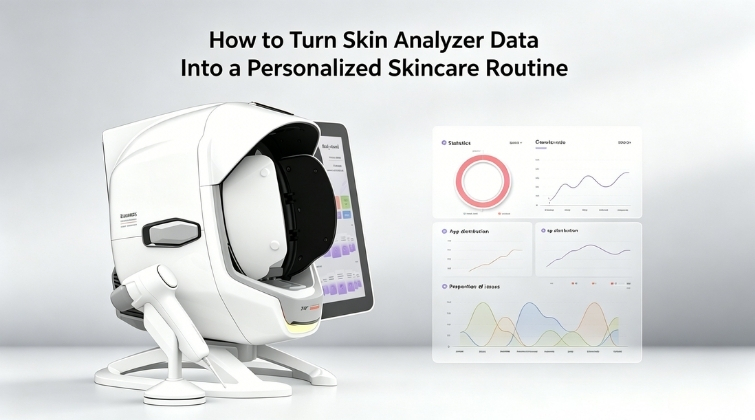
Why Skin Analysis Data Alone Is Not Enough
As smart skincare technology continues to evolve, more people are using skin analyzers to better understand their skin condition. However, completing a skin analysis does not automatically lead to effective skincare.
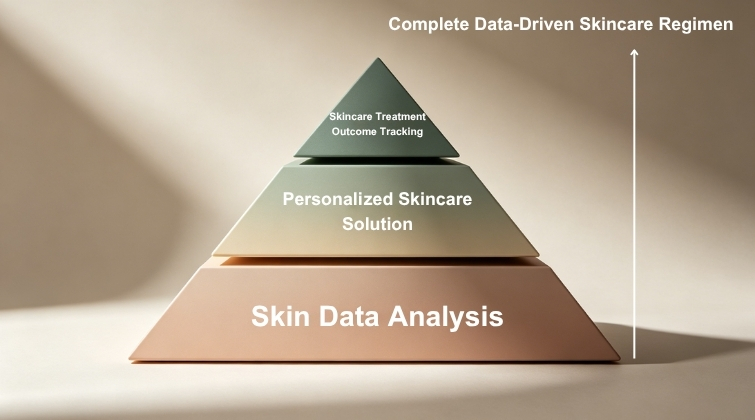
Many users focus only on visible results such as pores, pigmentation, or skin age scores. In reality, the value of skin analysis goes far beyond identifying surface-level concerns. The real goal is to turn skin data into a personalized skincare routine.
Every person has different skin conditions, lifestyles, environments, and skin tolerance levels. Therefore, the same skincare products may produce completely different results for different individuals.
Effective skincare should be based on accurate analysis and personalized management. From skin assessment to treatment planning and long-term tracking, data-driven skincare is becoming an essential part of modern skincare routines.
How Skin Analyzers Collect Skin Data
Modern skin analyzers combine optical imaging technology, AI algorithms, and skin data systems to evaluate the skin from multiple dimensions.
Multispectral Imaging Technology
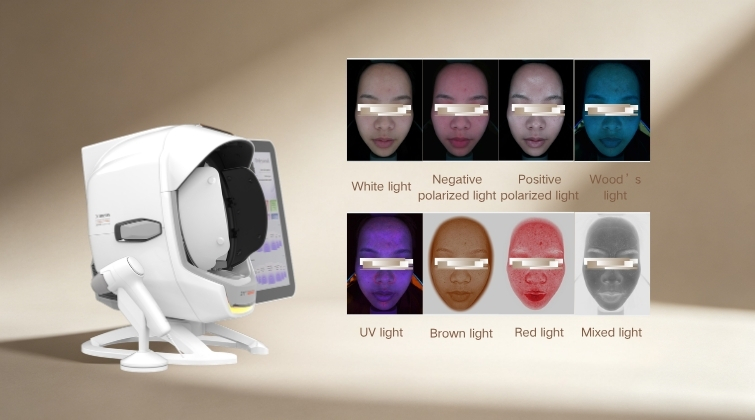
Multispectral imaging uses different wavelengths of light to analyze both the surface and deeper layers of the skin.
Different light sources reveal different skin concerns. For example, RGB light helps analyze pores, fine lines, and oil levels. UV light detects hidden pigmentation and UV damage. Polarized light helps identify redness, sensitivity, and inflammation.
This multi-layer analysis makes hidden skin concerns easier to detect.
AI-Powered Skin Analysis
AI technology automatically identifies skin concerns and generates visual skin reports.
The system analyzes hydration levels, oil balance, skin age, pigmentation, sensitivity, and aging trends. Compared with manual observation, AI analysis improves both efficiency and accuracy.
In addition, AI systems can provide more personalized skincare recommendations based on individual skin conditions.
Common Skin Analysis Categories
Modern skin analyzers can evaluate multiple skin concerns, including:
- Oil and moisture balance
- Pores and blackheads
- Pigmentation and dullness
- Redness and sensitivity
- UV damage
- Skin aging signs
- Skin barrier condition
These insights help users better understand their overall skin health.
How to Read Skin Analysis Data Correctly
Understanding skin analysis data is just as important as the test itself.
Look Beyond Surface-Level Concerns
Many users focus only on visible concerns such as acne, pores, or fine lines. However, deeper skin issues are often more important.
For example, some people may appear to have stable skin while already experiencing UV damage, weakened skin barrier function, or hidden inflammation. Over time, these problems may lead to sensitivity, pigmentation, and premature aging.
Therefore, effective skincare should focus not only on correction but also on prevention.
Identify Skin Concern Priorities
Different skin concerns require different treatment priorities.
For example, when the skin barrier is damaged, repair should come before intensive exfoliation or strong active ingredients. Otherwise, the skin condition may worsen.
Using skin analysis data to prioritize concerns helps reduce unnecessary skincare steps and avoid over-treatment.
Track Long-Term Skin Changes
A single skin test only reflects the current skin condition. Long-term skin tracking provides a clearer picture of how the skin changes over time.
For example, users can monitor whether hydration levels improve, pigmentation decreases, or skin tolerance becomes stronger.
This long-term data helps users adjust their skincare routines more effectively.
How to Build a Personalized Skincare Routine From Skin Data
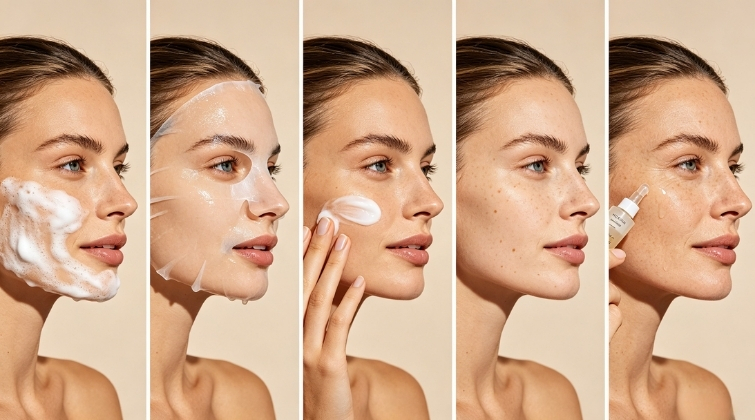
The main purpose of skin analysis is to create a skincare routine that matches real skin needs.
Cleansing Management
Skin analysis helps determine oil production levels and supports better cleansing choices.
Oily skin may require stronger cleansing performance, while dry or sensitive skin needs gentle cleansing to avoid barrier damage.
Hydration and Moisture Care
Many people confuse dehydrated skin with dry skin.
In fact, oily skin can also experience deep dehydration. Therefore, hydration products should be selected based on actual water and oil balance data.
Repair and Soothing Care
For sensitive or damaged skin, repair should often be the first priority.
By analyzing redness, inflammation, and skin tolerance, users can choose more suitable soothing and repair solutions.
Brightening and Pigmentation Care
Different pigmentation concerns require different treatment approaches.
Some pigmentation issues are strongly related to long-term UV exposure. Therefore, sunscreen protection remains an essential part of brightening care.
Anti-Aging Care
Anti-aging care involves more than reducing fine lines. It also includes collagen loss, skin firmness, and overall aging trends.
With regular skin analysis, users can create more structured long-term anti-aging plans.
How AI Skin Analysis Helps Beauty Businesses Improve Professionalism
As consumers pay more attention to scientific skincare, AI skin analysis is becoming an important tool for the beauty industry.
Build Customer Trust
Compared with traditional experience-based consultations, data-driven analysis appears more professional and reliable.
Visual skin reports also help customers understand their skin concerns more clearly.
Improve Treatment Conversion Rates
Accurate skin analysis helps beauty businesses recommend more suitable treatments and skincare products.
This personalized approach can improve customer satisfaction and increase repeat visits.
Create Long-Term Skin Management Systems
AI systems help businesses build customer skin profiles and track long-term skin changes.
This improves service consistency and strengthens customer relationships.
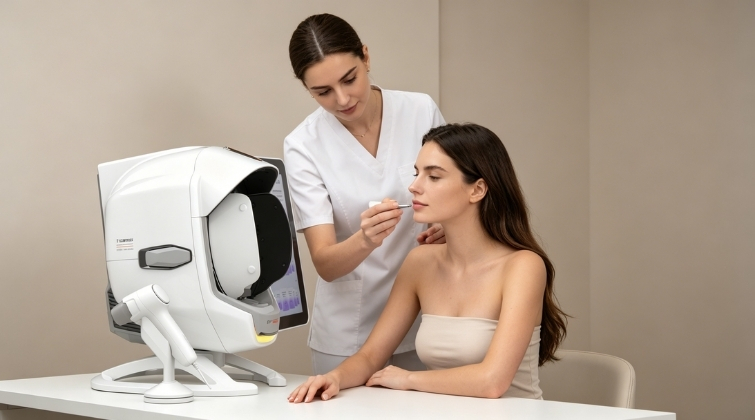
How Bitmoji-tek AI Skin Analyzers Support Personalized Skincare
Bitmoji-tek AI Skin Analyzers combine multispectral imaging technology with AI analysis to support more accurate skincare management.
The system analyzes both surface-level and deep-layer skin concerns and generates visual skin reports with personalized recommendations.
At the same time, the AI system supports customer data management and long-term skin tracking. This helps beauty salons and skincare clinics build more professional skin management services.
Why Data-Driven Skincare Is the Future
As consumers become more skincare-conscious, traditional experience-based skincare is gradually shifting toward data-driven skincare.
Future skincare trends will focus more on personalization, precision, and long-term management.
At the same time, AI and smart skin analysis technologies are accelerating the digital transformation of the beauty industry. Real skin data helps users avoid blind product selection and improve skincare efficiency.
Data-driven analysis is not only changing skincare routines but also redefining the future of skin management.
Conclusion
The value of skin analysis goes beyond identifying skin concerns.
The real goal is to turn skin data into a personalized skincare routine that supports smarter and more effective skincare decisions.
From analysis to action, data-driven skincare is helping more people achieve professional and personalized skin management.
About Bitmoji-tek
Bitmoji-tek is a professional beauty technology brand under Shenzhen Zhimei Lihe Industrial Development Co., Ltd. The company has focused on the beauty equipment industry for more than thirteen years. We integrate research, manufacturing, service, and after-sales support into one complete system.
Today, our products are sold in more than ninety countries. Our software supports nineteen languages and serves millions of users worldwide. Our product line includes skin analyzers, scalp analysis devices, and multifunctional facial cleansing equipment. All products are developed in-house and have obtained international certifications including CE, FCC, ISO 13485, and ISO 9001.
Bitmoji-tek also provides OEM and ODM services for global partners. We remain committed to delivering reliable, cost-effective, and high-performance skincare technology for the global beauty industry.