
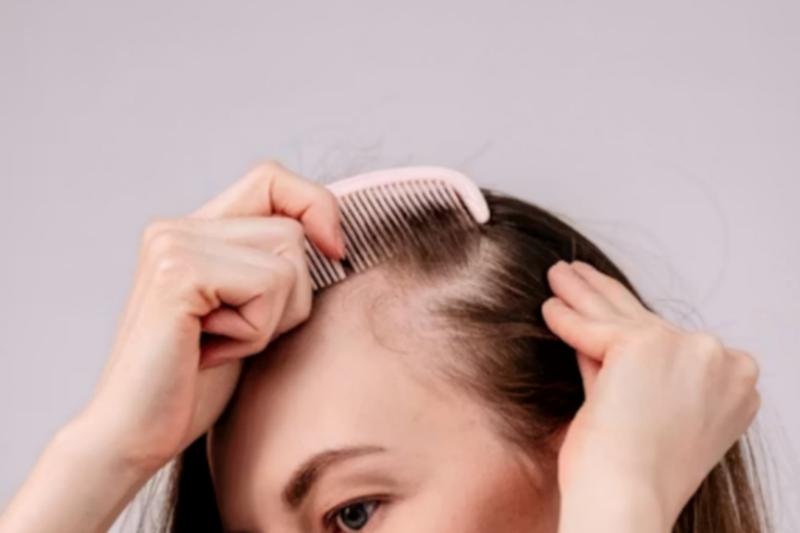
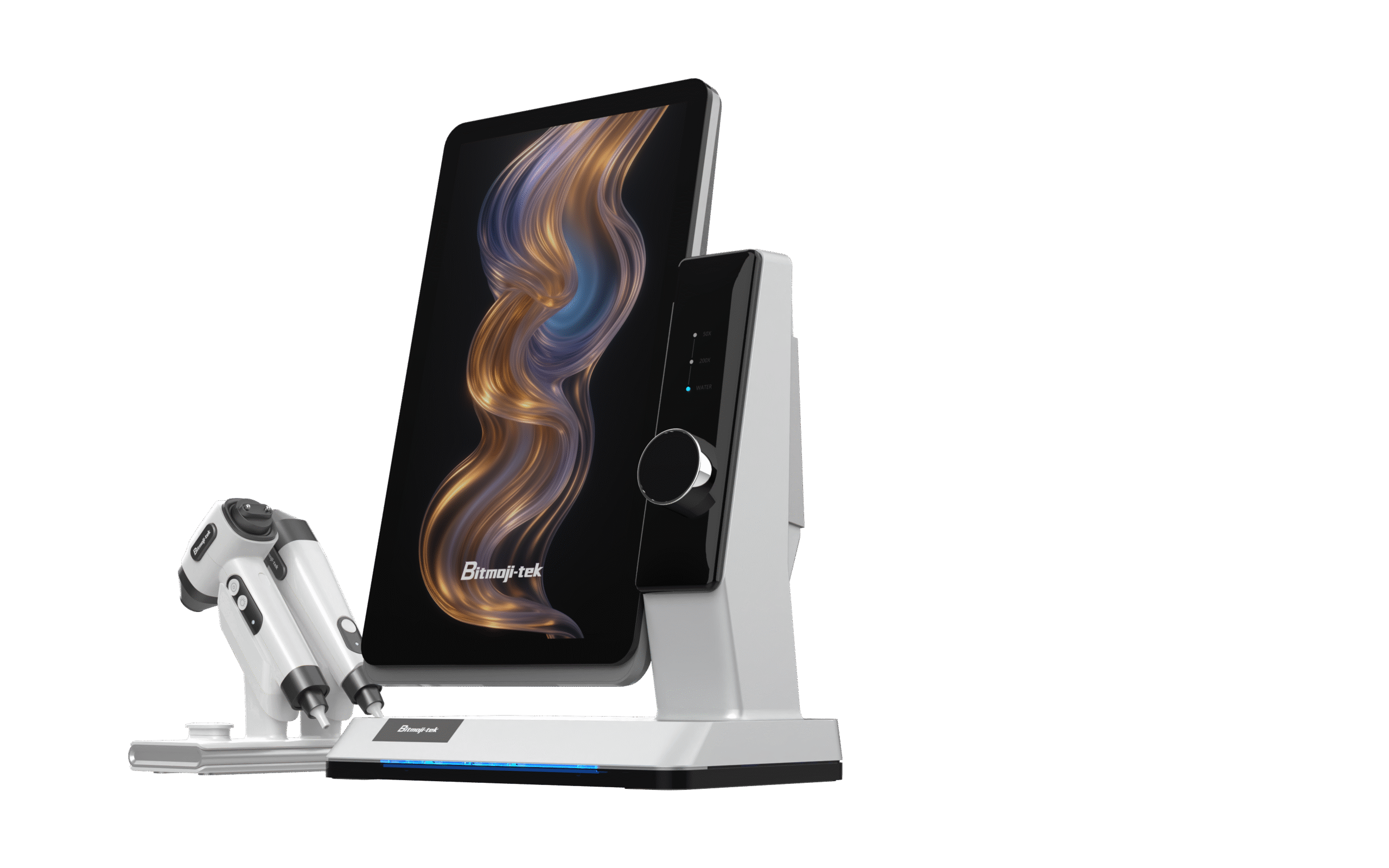
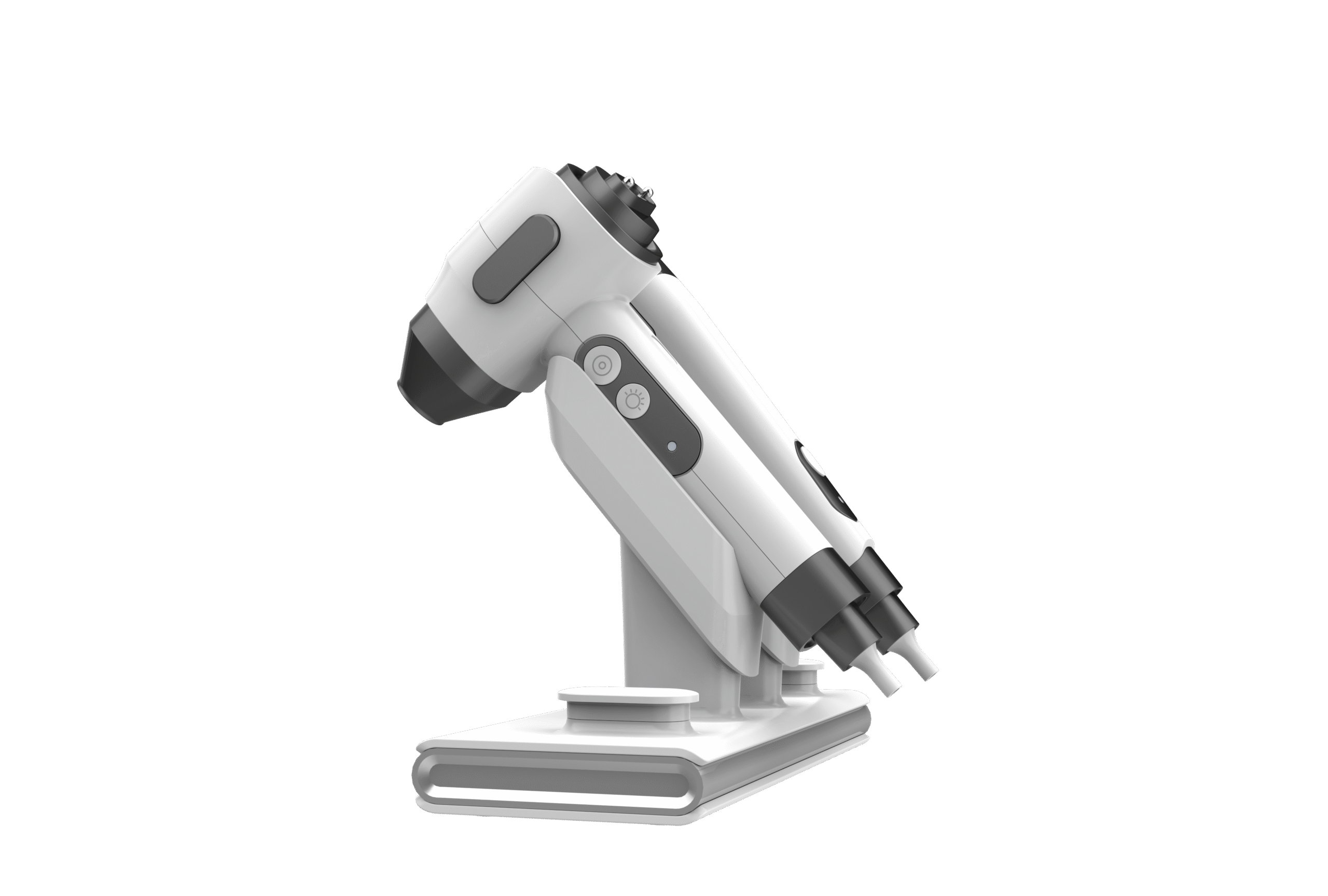
In the modern beauty industry, maintaining healthy hair and scalp is a top priority for clients. Salons and clinics increasingly use technology to provide accurate assessments and personalized care. One such innovation is the AI scalp diagnostic device. By integrating artificial intelligence with advanced imaging, these devices allow professionals to analyze scalp conditions in ways that were previously impossible. Therefore, haircare providers who adopt this technology can deliver superior services.
Enhancing Diagnostic Accuracy
First and foremost, they analyze hair and scalp health with high precision. Unlike traditional visual inspections, which rely solely on human observation, these devices detect issues such as dryness, oiliness, inflammation, or hair thinning using AI algorithms. Additionally, they assess hair density, follicle strength, and scalp elasticity. As a result, haircare professionals can design treatment plans that suit each client’s unique needs, improving outcomes and satisfaction.
Streamlining Haircare Services
Moreover, an AI scalp diagnostic device streamlines salon and clinic operations. It quickly generates detailed reports, allowing professionals to save time while thoroughly evaluating every client. This efficiency enables more appointments and better client management without compromising care quality. Furthermore, professionals can track client progress over time using digital records, which helps them adjust treatments effectively.
Supporting Personalized Treatments
In addition to diagnostics, it helps professionals deliver personalized haircare treatments. For example, based on the analysis, they can recommend specific shampoos, conditioners, or scalp treatments tailored to the client’s condition. Meanwhile, hair restoration or therapeutic procedures become more precise, increasing their effectiveness. Consequently, clients benefit from targeted interventions, leading to healthier hair and greater satisfaction.
Integration with Modern Haircare Solutions
Finally, many AI scalp diagnostic devices integrate seamlessly with other professional haircare technologies. This integration enables salons and clinics to provide comprehensive services, from diagnostics to treatment recommendations. Additionally, AI-driven insights inform marketing strategies and client education, showcasing the clinic’s commitment to innovation and personalized care. Therefore, these devices enhance service quality and help businesses remain competitive in a rapidly evolving industry.
Conclusion
In conclusion, AI scalp diagnostic device revolutionize professional haircare by providing accurate diagnostics, streamlined operations, and personalized treatment plans. By leveraging these devices, salons and clinics improve client outcomes, enhance satisfaction, and maintain a competitive edge. As AI technology advances, professionals will increasingly rely on these devices to shape the future of haircare services.