

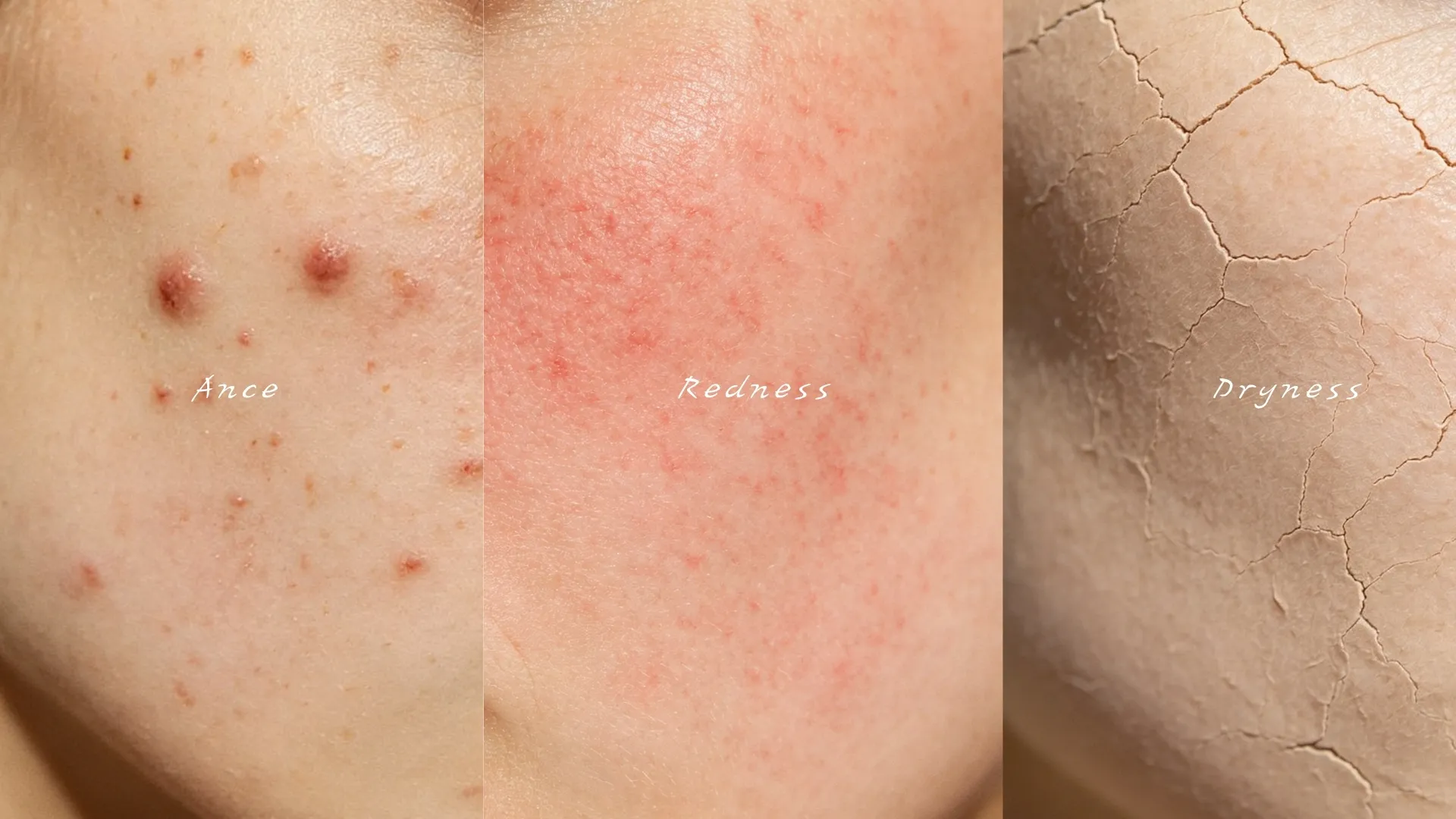
Spring skincare becomes a key concern as many people notice sudden changes in their skin during this season. Skin may become dry, sensitive, or prone to breakouts. However, these spring skin issues are often linked to environmental changes rather than skincare products. Therefore, understanding your skin should come before changing your routine.
Key Reasons Behind Spring Skin Issues
Temperature Changes Weaken the Skin Barrier
Spring weather changes frequently. Day and night temperatures can vary a lot. As a result, the skin must constantly adjust.
This reduces the stability of the skin barrier. Moisture loss increases. At the same time, external irritants can enter more easily. This often leads to dryness and sensitivity.
Increased Pollen and Airborne Irritants
In spring, plants release more pollen. Dust and other particles also increase in the air. These substances can irritate the skin.
Some people may even experience reactions similar to allergic dermatitis. Common signs include redness, itching, and small bumps.
Stronger UV Exposure
UV levels begin to rise in spring. However, many people underestimate this change because the weather still feels mild.
Over time, UV exposure can damage the skin barrier, increase sensitivity, and cause pigmentation issues.
Oil and Moisture Imbalance
As temperatures rise, the skin produces more oil. However, the outer layer of the skin may still be weak after winter.
This creates an imbalance. The skin may feel oily on the surface but dry underneath. This condition often leads to unstable skin.
Why Skincare Feels Less Effective in Spring
Skincare should change with the season. However, many people keep the same routine all year.
For example, some may over-cleanse. Others may use too many active products. In addition, layering too many products can stress the skin.
At the same time, relying only on visible symptoms is not enough. Redness or oiliness on the surface does not show the full picture.
Without accurate understanding, skincare decisions may be misguided. This can reduce effectiveness or even worsen the condition.

The First Step to Better Skincare: Understand Your Skin
Why Skin Analysis Matters
Common spring issues such as dryness, acne, or sensitivity are only surface results. The real causes may include barrier damage, oil imbalance, or inflammation.
In addition, skin conditions vary from person to person. Even in the same season, different individuals may face different skin concerns.
Therefore, treating only the surface is often ineffective. A deeper understanding is essential for better results.
Improving Accuracy with Technology
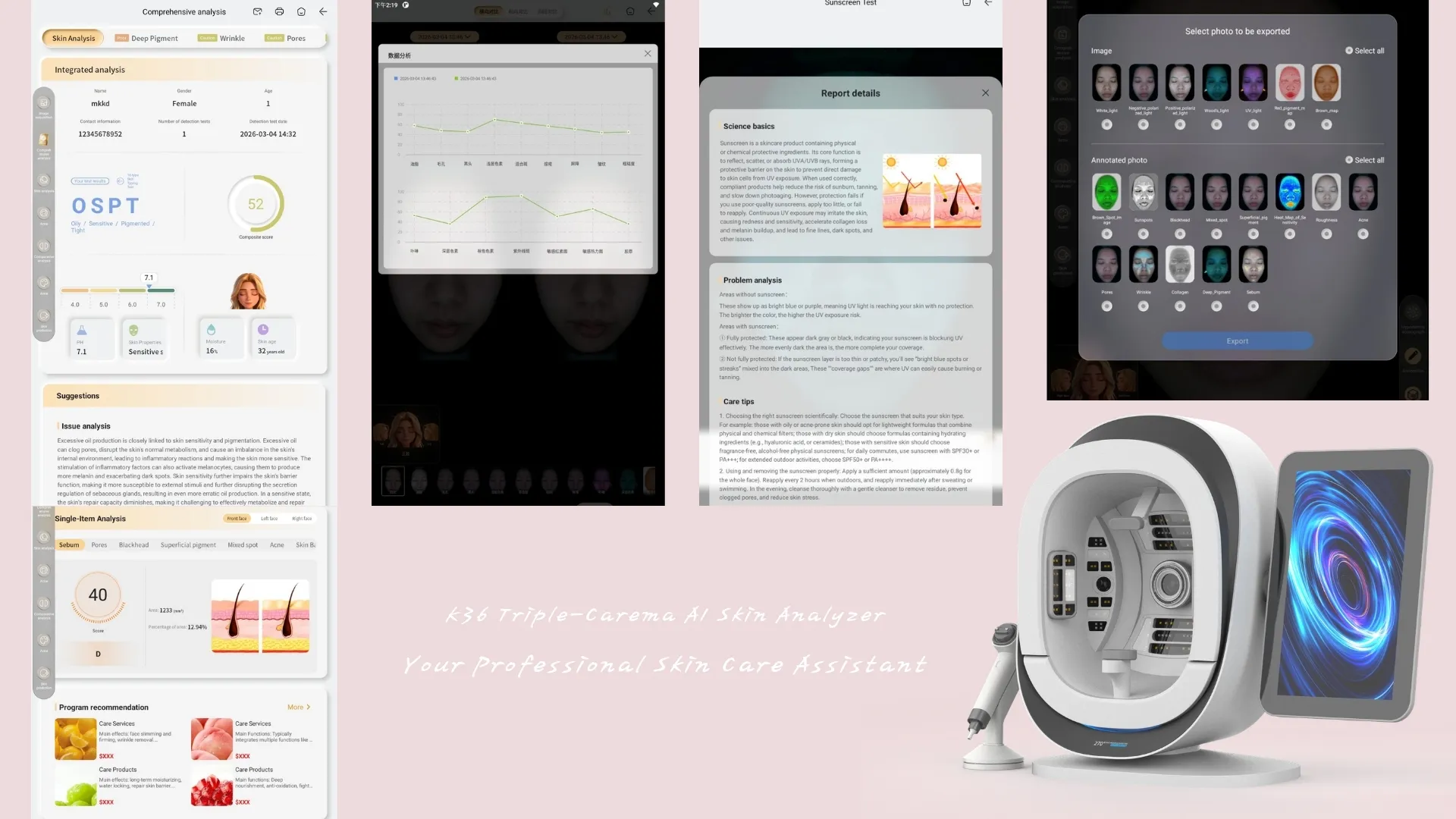
Professional skin analysis devices can provide a more complete view. They evaluate both surface conditions and underlying issues.
For example, the Bitmoji-tek K36 AI Skin Analyzer uses a triple-camera imaging system. It captures skin images in just 15 seconds and analyzes over 20 skin indicators, including moisture levels, sensitive areas, and deep pigmentation.
The system also generates a detailed report. It shows skin type, tone, skin age, and overall condition. Based on this data, it provides personalized skincare recommendations.
In addition, the device stores data in the cloud. Users can track changes over time. This makes it easier to adjust skincare routines based on real results.
Compared to guesswork or traditional methods, this approach is more objective. It reduces trial and error and improves efficiency.
Practical Skincare Tips for Spring
After understanding your skin, you can adjust your routine more effectively.
- Simplify your skincare routine
- Avoid overloading the skin with too many products
- Focus on hydration and barrier repair
- Use sunscreen daily
- Avoid switching products too frequently
Targeted care based on actual skin condition is always more effective than following trends.
Conclusion
Spring does not create skin problems. It amplifies existing ones.
When your skin changes, adding more products is not always the answer. Instead, understanding your skin should come first.
Effective skincare starts with clear insight. With proper analysis and data, you can manage your skin more accurately. This leads to more stable and long-term skin results.